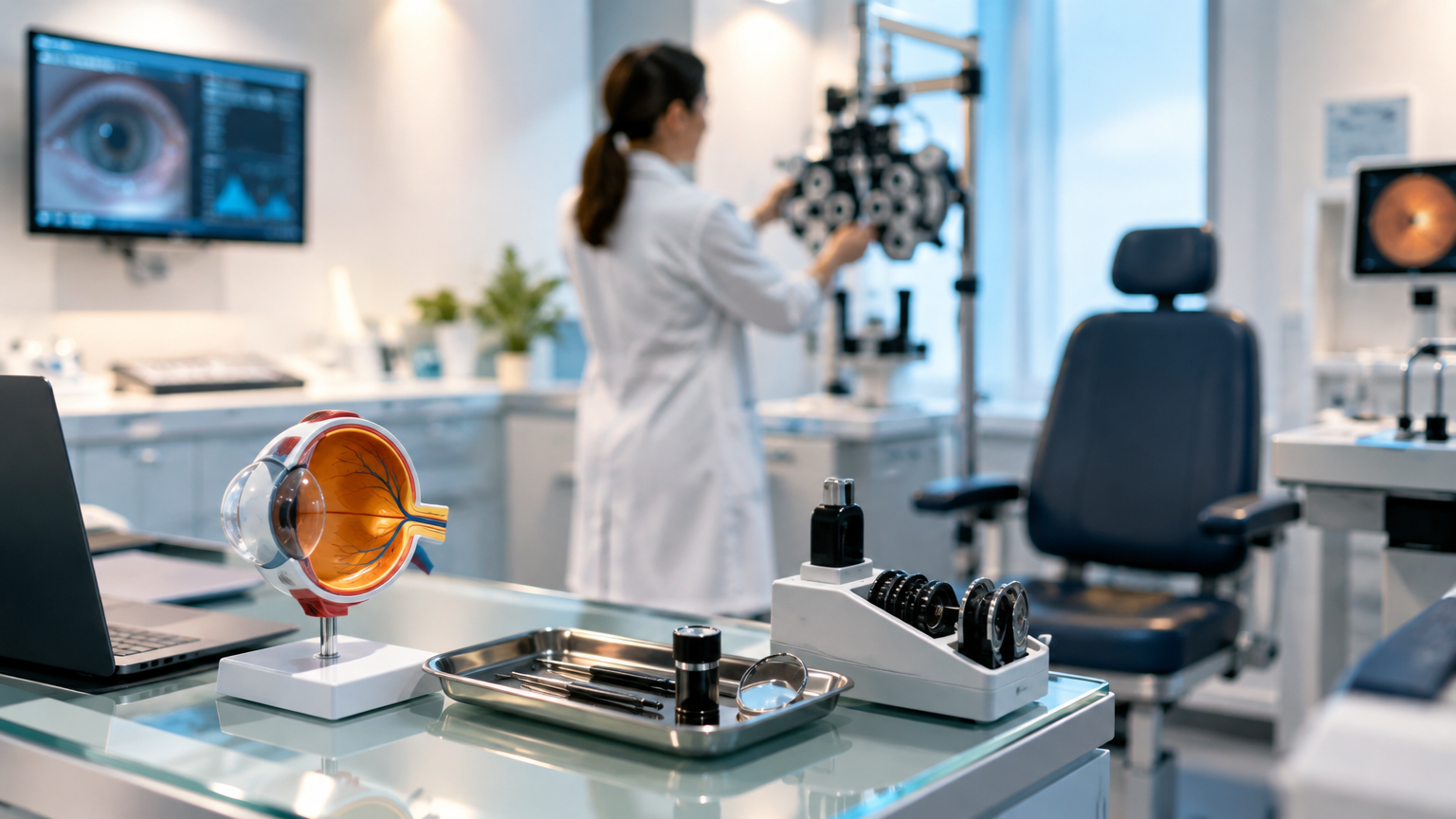
When you’re facing an eye emergency in Dubai, knowing where to go and what to expect can make all the difference. An eye emergency clinic Dubai or hospital offers 24/7 specialist care for sudden vision-threatening conditions. This guide covers what counts as an emergency, which hospitals and clinics to contact, how Dubai Health Authority rules protect you, typical costs without insurance, and exactly where to go based on your situation. Use this to act fast, stay safe, and understand your options as a resident or visitor.
Quick Summary
- What an eye emergency means: when to call 998 (ambulance), when to use a taxi, and the difference between hospital and specialist clinic care.
- Which hospitals in Dubai offer 24-hour ophthalmology and eye emergency coverage, and how emergency services are triaged.
- How Dubai Health Authority rules apply to uninsured expats and tourists: what care must be given, and who pays.
- Typical costs without insurance at public hospitals, private hospitals, and specialist clinics.
- Exact locations to visit based on your emergency type: chemical splash, foreign object, trauma, or sudden vision loss.
What Counts as an Eye Emergency?
Eye emergencies require fast specialist ophthalmology attention. Common types include:
- Chemical splash (acid or alkaline)
- Foreign body in the eye (metal, dust, glass)
- Blunt trauma to the eye or surrounding area
- Sudden vision loss or new floaters
- Severe pain, bleeding, or suspected corneal damage
For serious cases, a hospital emergency department is necessary. Minor issues may be handled at a specialist eye clinic with after-hours cover.
Emergency Hospital vs. Specialist Eye Clinic: Key Differences
| Facility Type | What They Handle | Advantages | Limitations |
|---|---|---|---|
| Emergency hospital (public or private) with ophthalmology | Full trauma, chemical burns, sudden vision loss, surgical emergencies | Open 24/7; equipped for imaging and surgery; stabilisation is law-protected; public facilities cost less | Longer wait times possible; higher private costs; fewer specialized eye doctors at night |
| Specialist eye clinic with emergency cover | Foreign-object removal, mild corneal abrasions, trauma follow-up, simpler cases | Faster access to eye specialists; better equipment for corneal work; shorter wait | Most close at night; may refer severe trauma to hospital; higher costs than public hospitals |
24-Hour Ophthalmology Hospitals in Dubai
These hospitals provide round-the-clock emergency departments with ophthalmology or full eye emergency stabilisation:
| Hospital | Location | Eye Emergency Coverage |
|---|---|---|
| Rashid Hospital | Umm Hurair, Bur Dubai | 24/7 Emergency and Trauma Centre; handles severe eye trauma, chemical burns, and referral cases. Primary trauma centre for Dubai. |
| Fakeeh University Hospital | Dubai Silicon Oasis | Ophthalmology department open 24 hours with dedicated emergency eye care. |
| Al Zahra Hospital Dubai | Al Barsha | 24-hour emergency services with ophthalmology available in the emergency department. |
| Al Kuwait (Al Baraha) Hospital | Deira | Government DHA hospital with 24-hour emergency service and eye emergency cover. |
| Moorfields Eye Hospital Dubai | Healthcare City area | Specialist eye hospital recognised for advanced eye care; check specific emergency hours. |
For severe trauma—especially penetrating injuries, chemical burns, or suspected globe rupture—Rashid Hospital is Dubai’s tertiary trauma centre. Travel time from most areas is 10–20 minutes depending on traffic.
Call 998 or Take a Taxi? When to Decide
Call 998 (Dubai Ambulance) if you suspect a life- or vision-threatening emergency:
- Severe eye pain
- Sudden or rapid vision loss
- Chemical or acid splash
- Uncontrolled bleeding
- Suspected eye perforation or rupture
Ambulance staff can stabilise you on-site and reduce further injury during transport.
Take a taxi or ride-hail if the situation is urgent but not vision-threatening:
- Foreign body with mild discomfort
- Gradual vision changes
- Eye irritation without severe pain
For less serious cases, reaching a clinic by taxi may be faster than waiting for an ambulance.
Ambulance costs: Public ambulances are free for genuine emergencies, including uninsured expats and tourists. Non-emergency transfers may incur a fee.
DHA Emergency Treatment Rules for Uninsured Expats and Tourists
Dubai Health Authority standards ensure emergency care for everyone:
- Stabilisation is mandatory. Hospitals must stabilise any emergency patient regardless of insurance, nationality, or residency status.
- Advanced treatment is charged. After stabilisation, surgery, admission, and specialist follow-ups are billed separately. Uninsured patients pay out of pocket.
- Employer liability. Employers who failed to provide required insurance may be held responsible for employee treatment costs.
- Tourists receive emergency care. Post-stabilisation treatment is charged in full unless travel insurance applies.
Costs Without Insurance: What You’ll Pay
Eye emergency costs vary widely depending on severity, facility type, and treatment required. Here are typical ranges:
| Scenario | Public Hospital (DHA) | Private Hospital | Premium Specialist Clinic |
|---|---|---|---|
| Foreign body removal; no admission | AED 200–800 | AED 800–3,000 | AED 1,500–5,000 |
| Chemical splash; possible minor surgery | AED 1,500–3,000 | AED 5,000–15,000+ | AED 10,000–25,000+ |
| Sudden vision loss; imaging and possible admission | AED 2,000–6,000+ | AED 10,000–30,000+ | Varies; premium rates apply |
Private hospitals typically require a deposit upfront. Public hospitals may also ask for a guarantee of payment. Be prepared for these costs if uninsured.
Where to Go: Quick Decision Guide
| Emergency Type | Best Location |
|---|---|
| Chemical splash (acid or alkali) | Rashid Hospital ER or nearest private hospital with 24-hour ophthalmology (Fakeeh, Al Zahra) |
| Foreign object (dust, contact lens, small debris) | Specialist eye clinic or public hospital ER |
| Blunt trauma or suspected rupture | Call 998; ambulance to Rashid Hospital Trauma Centre |
| Sudden vision loss or new floaters | Hospital with 24-hour ophthalmologist: Rashid, Dubai Hospital, or Al Zahra |
| Minor irritation or redness | Urgent care clinic or specialist eye clinic during business hours |
Frequently Asked Questions
Will I be refused treatment if I lack insurance?
No. Under Dubai Health Authority rules and UAE law, emergency stabilisation care must be provided to everyone, regardless of insurance status, nationality, or residency. Post-stabilisation treatments are charged separately.
How do I decide between calling 998 and taking a taxi?
Call 998 for severe pain, sudden vision loss, chemical exposure, bleeding, or suspected perforation. These are vision- or life-threatening. For milder symptoms (foreign object, mild redness), a taxi to a clinic or hospital may be faster and more practical.
What should I bring to an eye emergency clinic?
Bring your passport (tourists) or Emirates ID (residents), insurance card or policy number, a list of current medications, and known allergies. These speed up admission and treatment.
What are typical wait times?
Hospital emergency departments triage by severity—major trauma is seen immediately, but non-urgent cases may wait 30 minutes to several hours. Specialist eye clinics offer faster access to ophthalmologists but may have limited night hours.
Do specialist eye clinics in Dubai operate 24 hours?
Some do. Fakeeh University Hospital offers 24-hour ophthalmology, as do many private hospitals. However, purely eye-clinic facilities often close at night and may refer surgical emergencies to hospitals.
Take Action Now
If you’re facing an eye emergency in Dubai, follow this checklist:
- Assess severity. Is vision threatened? Is there severe pain, chemical exposure, or trauma? Call 998 immediately if yes.
- Locate the nearest 24-hour hospital. Rashid Hospital (Umm Hurair) or Fakeeh University Hospital (Dubai Silicon Oasis) are strong options depending on your location.
- Gather documents. Bring your ID, insurance information, and medication list—but don’t delay care to collect these.
- Prepare for costs. Minor public hospital treatment may cost AED 200–800, but private or surgical care can reach AED 5,000–30,000+. Have a payment method ready if uninsured.
For personalised guidance on hospital options, costs, and emergency eye care near your location, book a free consultation at a top eye clinic in Dubai today. Quick decisions now protect your vision.